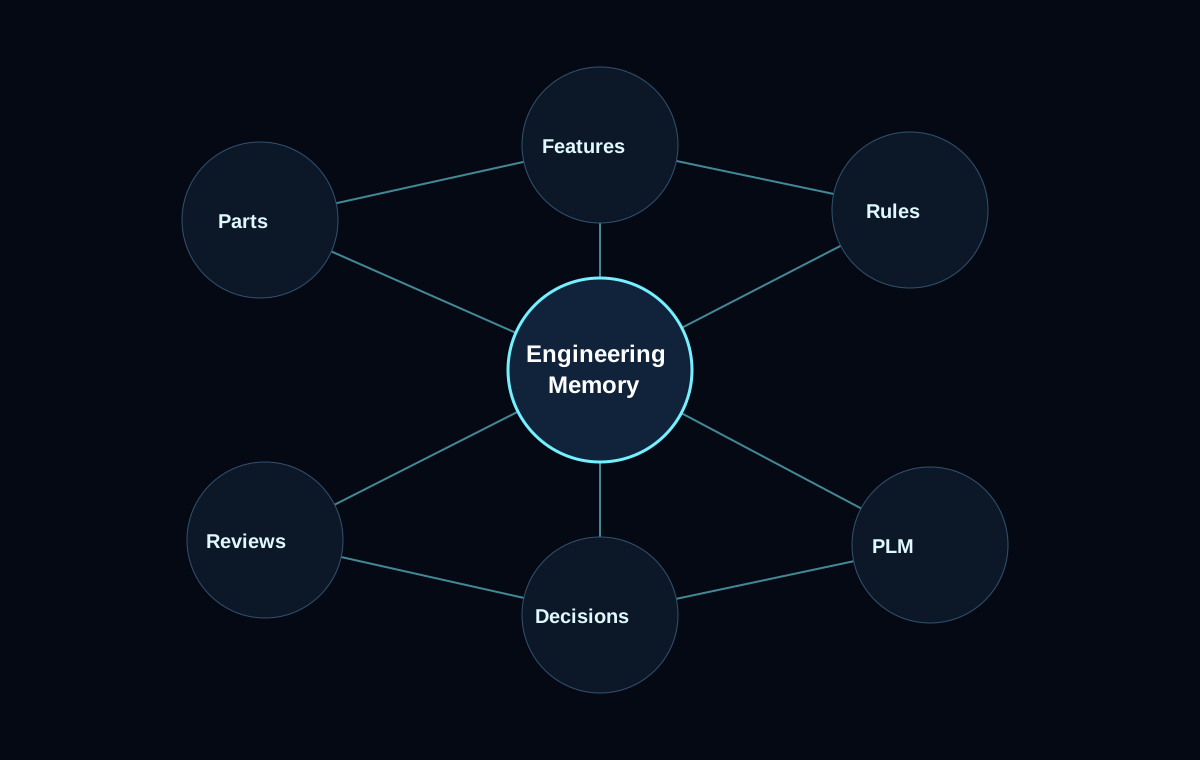
A context-first layer that connects CAD geometry, PLM metadata, engineering rules, review feedback and AI-assisted recommendations into one decision workflow.
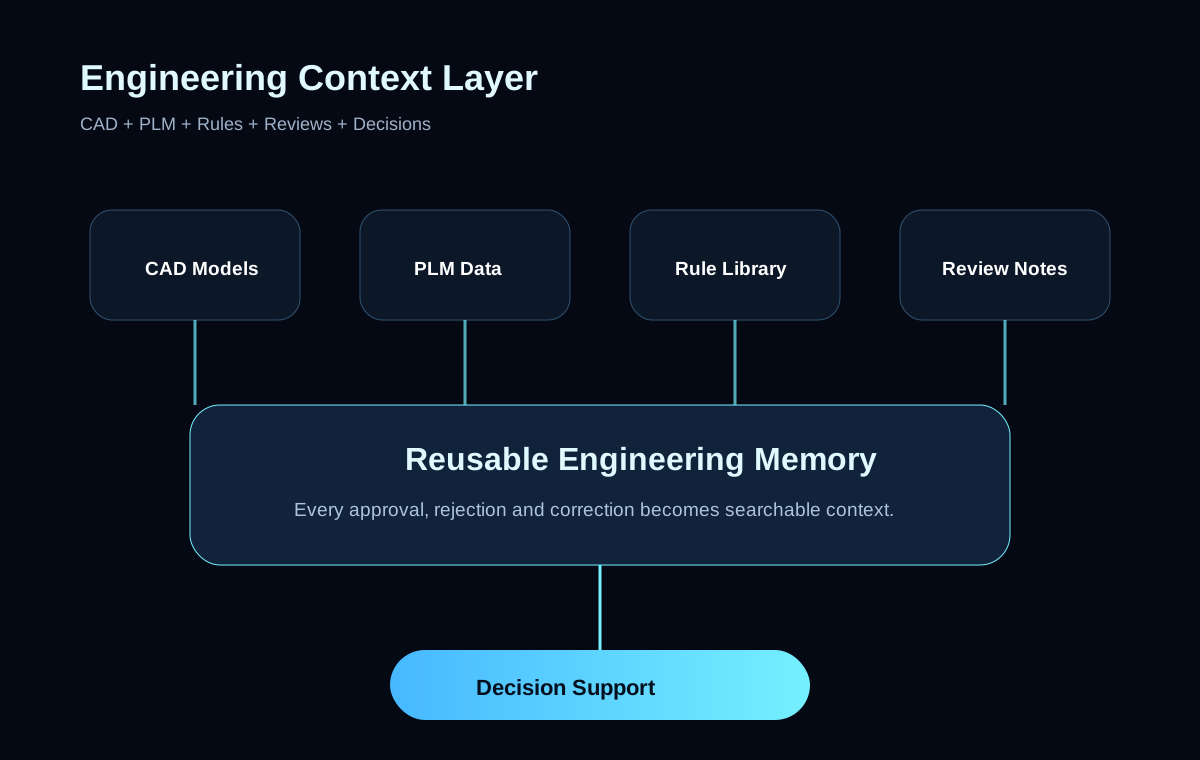
CAD contains geometry. PLM contains metadata. Reviews contain judgment. But without a connected layer, decisions still depend on meetings, memory and manual coordination.
By connecting features, rules, revisions and decisions, every review improves the next one and AI becomes grounded in company-specific engineering context.
This flow is designed for engineering accountability: AI supports review, but engineers approve, reject and enrich the knowledge base.
Generic AI can explain possibilities, but engineering teams need recommendations that understand design intent, internal standards, manufacturability, previous decisions and approval rules.
Support repetitive design checks using features, rules and decision history.
Understand what changed, why it matters and what needs review.
Turn approvals, rejections and comments into reusable engineering memory.
Flag risks such as thickness, holes, bends, ribs and tolerance patterns.
Connect engineering review decisions to design lifecycle and release processes.
Recommend corrective options while keeping engineers in control.